The Best
Dive Sites in
Komodo
Komodo National Park is a UNESCO World Heritage Site and one of the top five dive destinations on the planet. Over 1,000 species of fish, 260 species of coral, manta rays, hammerheads, and drift dives through channels filled with more marine life than almost anywhere else on Earth.
Komodo National Park —
Where the Ocean Peaks
Located in Indonesia's Lesser Sunda Islands, Komodo National Park is famous above ground for its Komodo dragons. Below the surface, it is one of the most biodiverse marine ecosystems on the planet — a place where the warm Flores Sea and the cooler Indian Ocean collide, creating the powerful currents and cold upwellings that drive extraordinary marine density.
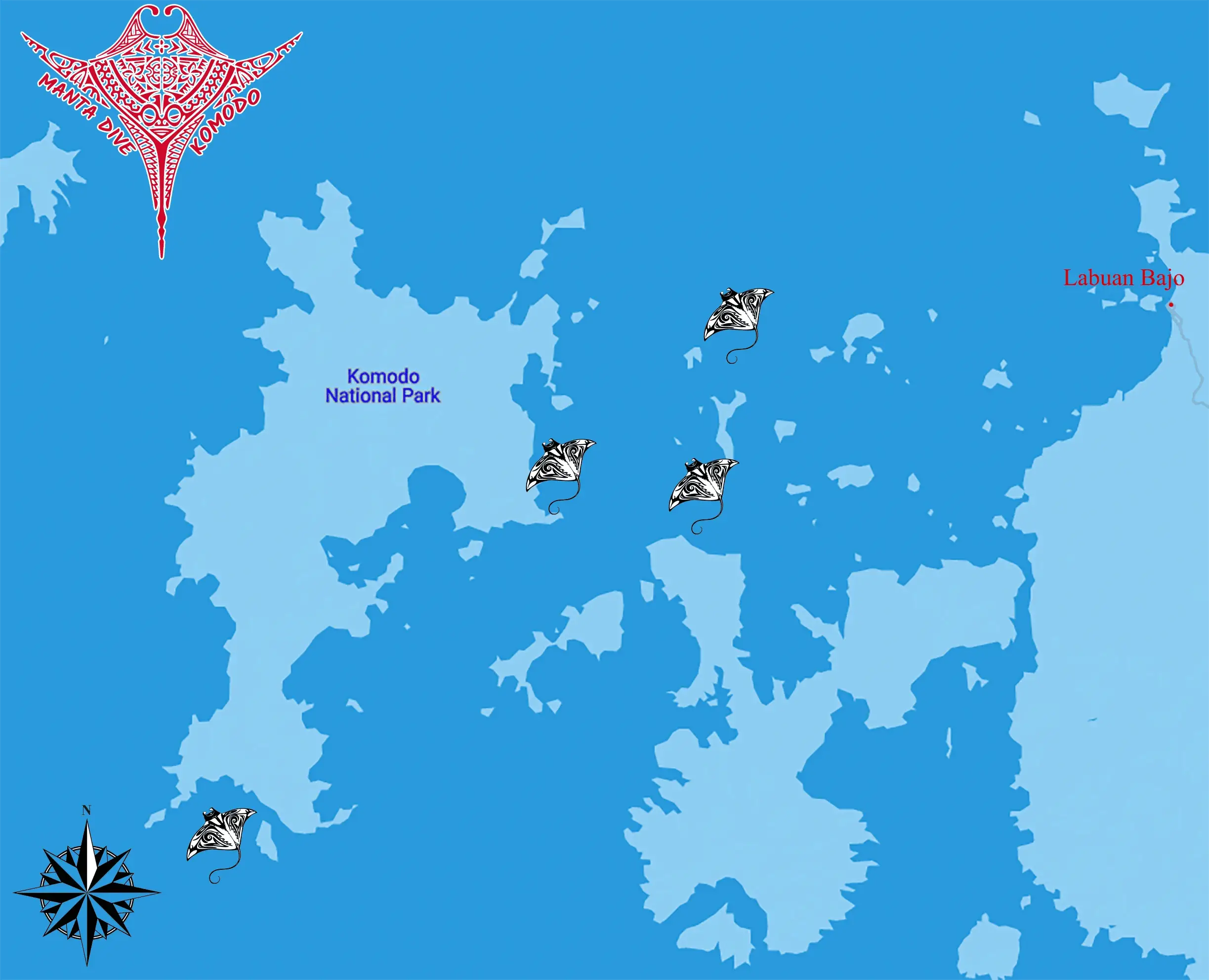
The park spans 1,817 km² of marine habitat across four main regions: Central Komodo (the benchmark), North Komodo (drift and pelagics), South Komodo (advanced — hammerheads, oceanic mantas), and the East, home to protected bays and macro paradise sites. Find below all the information you need on the best Komodo dive sites.
Manta Point
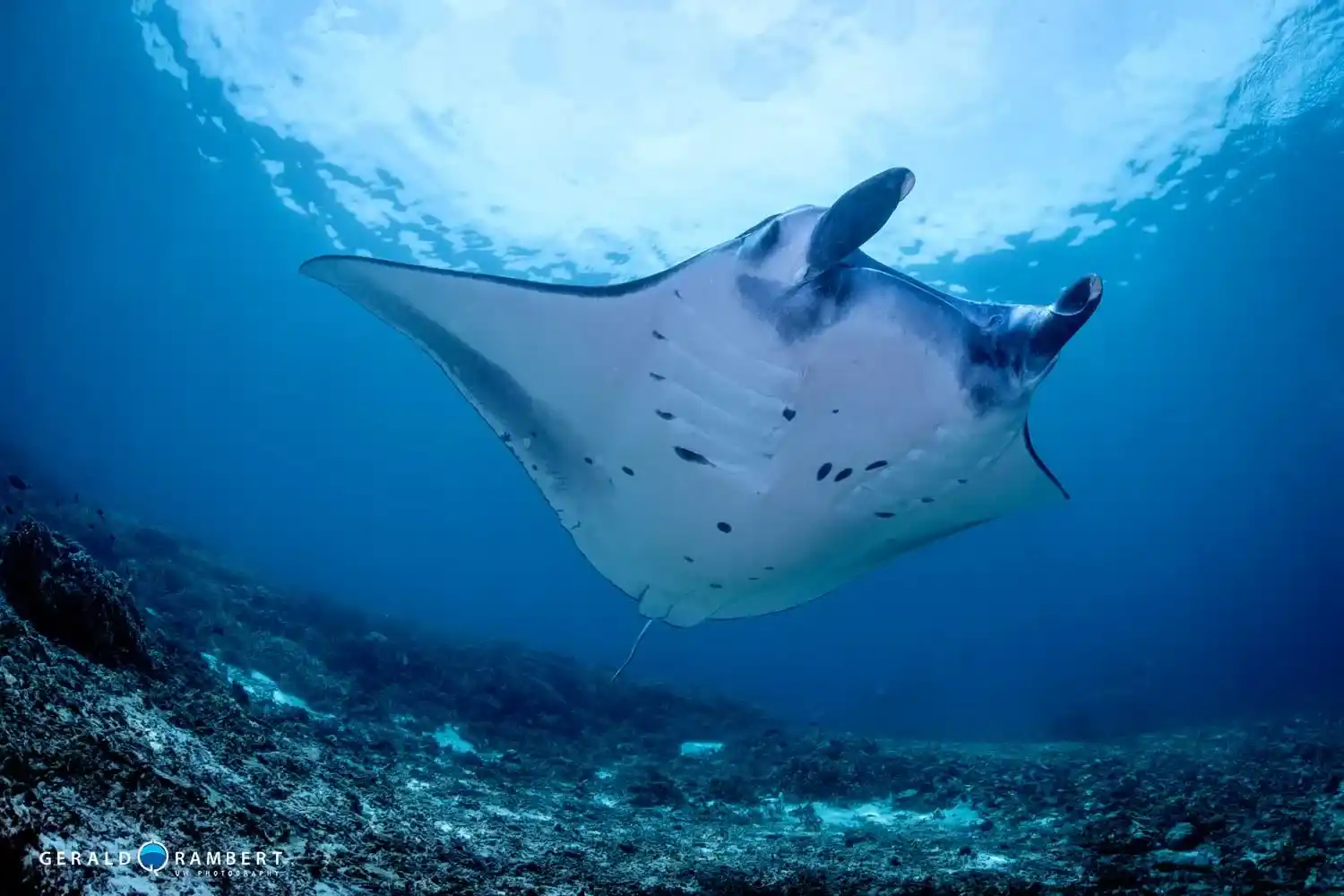
Makassar Reef — a 1.5 km drift dive near Komodo Island, famous for sightings of up to 40 manta rays. Strong currents limit coral growth, creating a lunar-like seascape with craters and dunes. Beyond mantas, the site hosts sharks, schools of bumphead parrotfish, marble and eagle rays, and hidden macro life in the rubble.
Batu Bolong
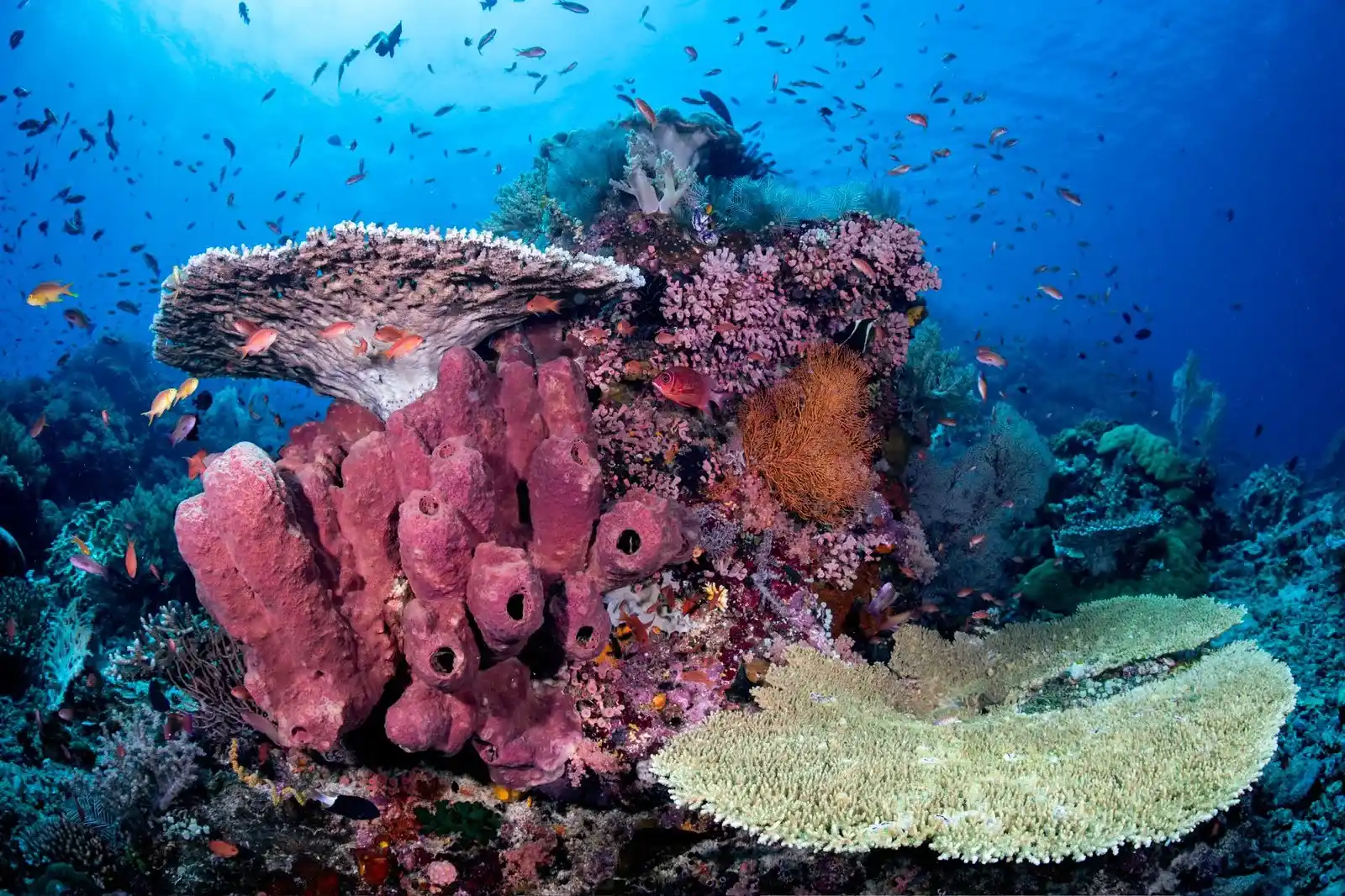
Ranked the 5th best dive site in the world. This pinnacle in central Komodo plunges to 85m and teems with marine life. Strong currents create two distinct experiences — a gentle southern slope and a dramatic northern wall. Vibrant corals, pelagic species, sharks, turtles, reef fish, and extraordinary macro density.
Castle Rock
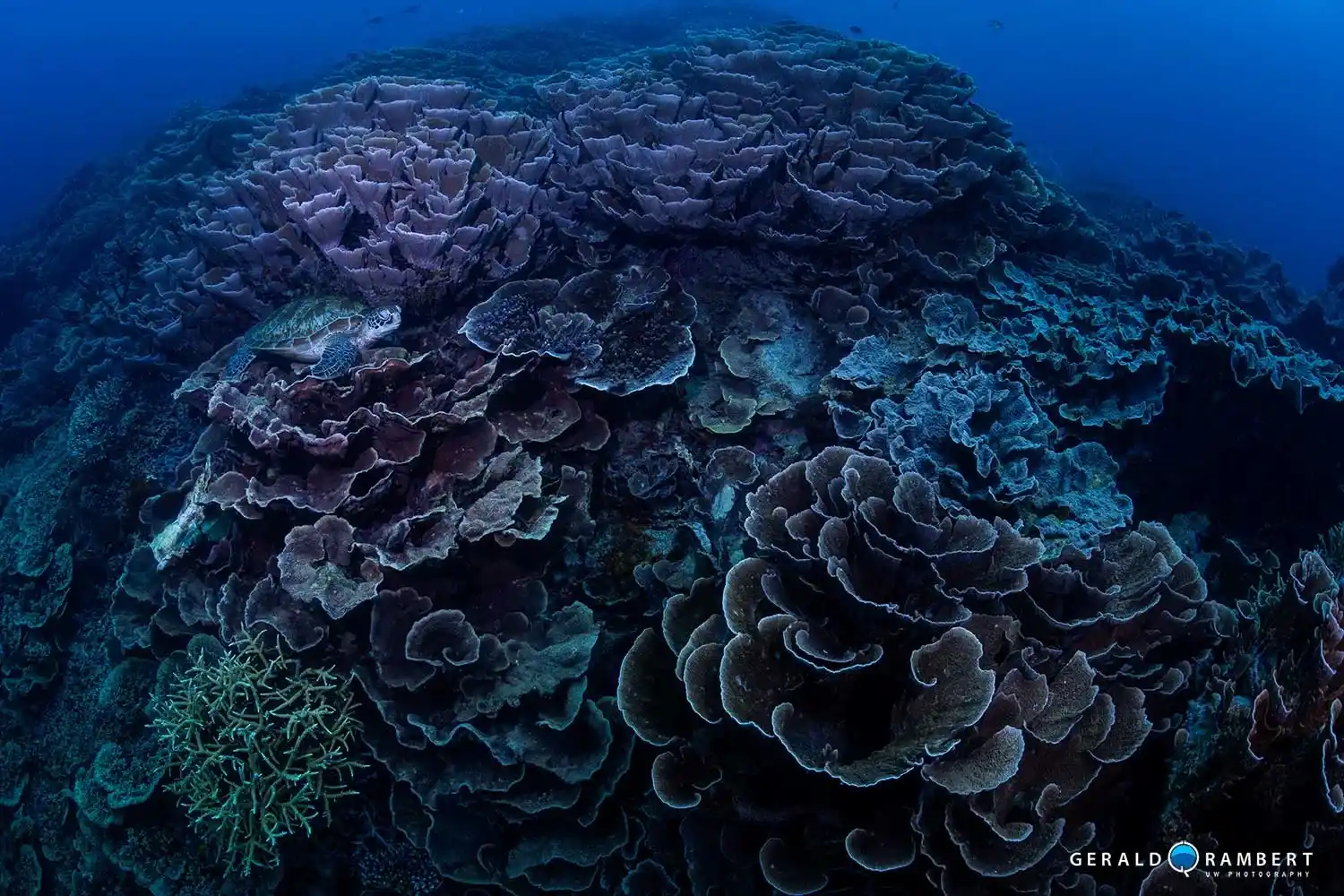
A seamount rising from 75m to just 3–4m below the surface. Divers enter via negative entry, descending to 25m to witness sharks, giant trevally, tuna and mackerel schooling above. Drifting with the current, vibrant soft corals, sea fans, and pygmy seahorses throughout.
Crystal Rock
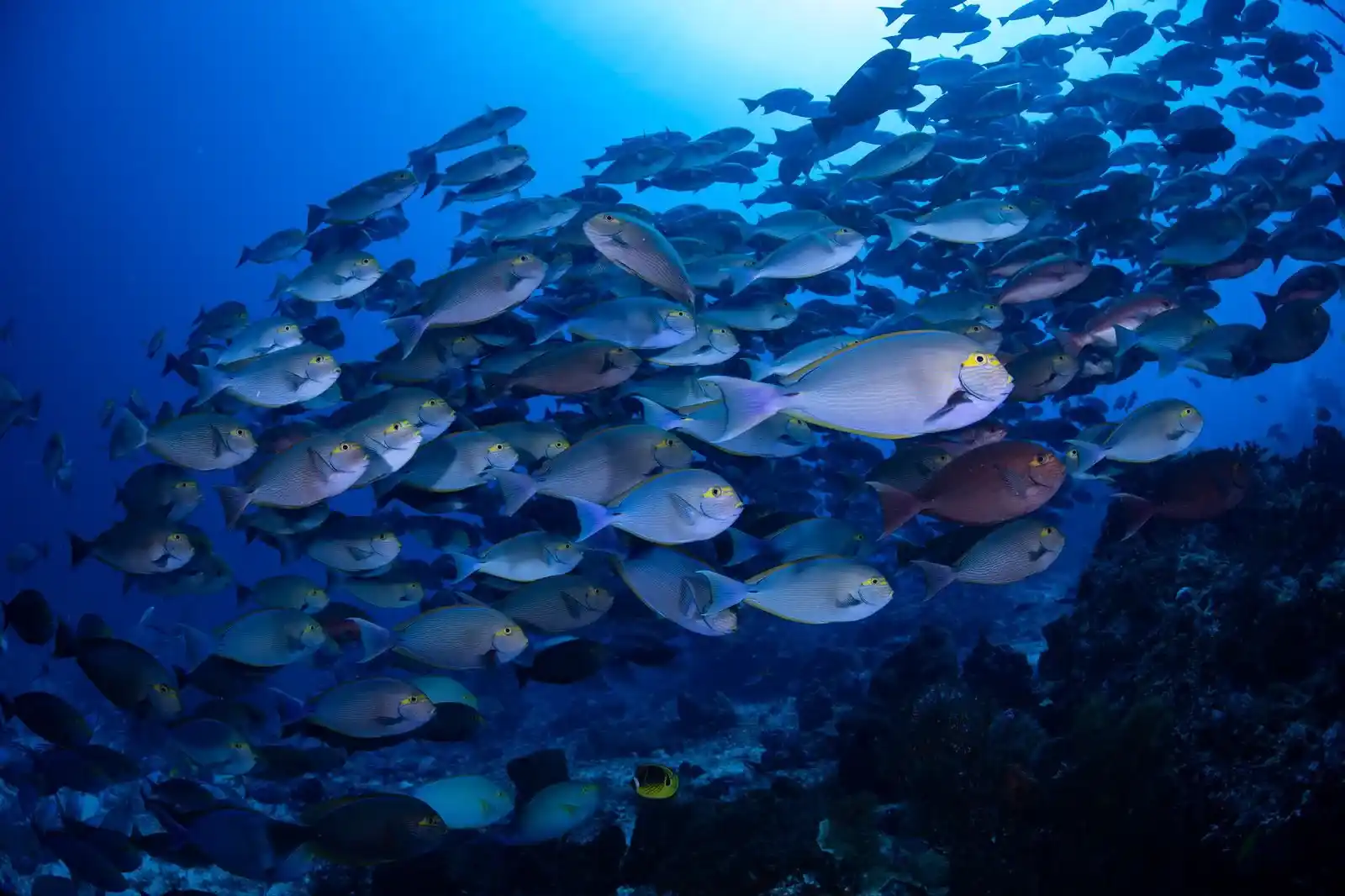
Castle Rock's larger northern counterpart. This pinnacle breaks the surface at low tide, revealing vibrant soft and hard corals. Strong currents — divers use negative entry to descend quickly and hold position while observing trevally, jacks, sharks, Napoleon wrasse, and occasional eagle rays.

The Cauldron
One of Komodo's most exhilarating dives. An underwater funnel channels enormous volumes of water into a washing-machine current that spits divers out into the open blue — an unforgettable, adrenaline-filled drift. Unique topography and impressive marine life throughout.
Police Corner
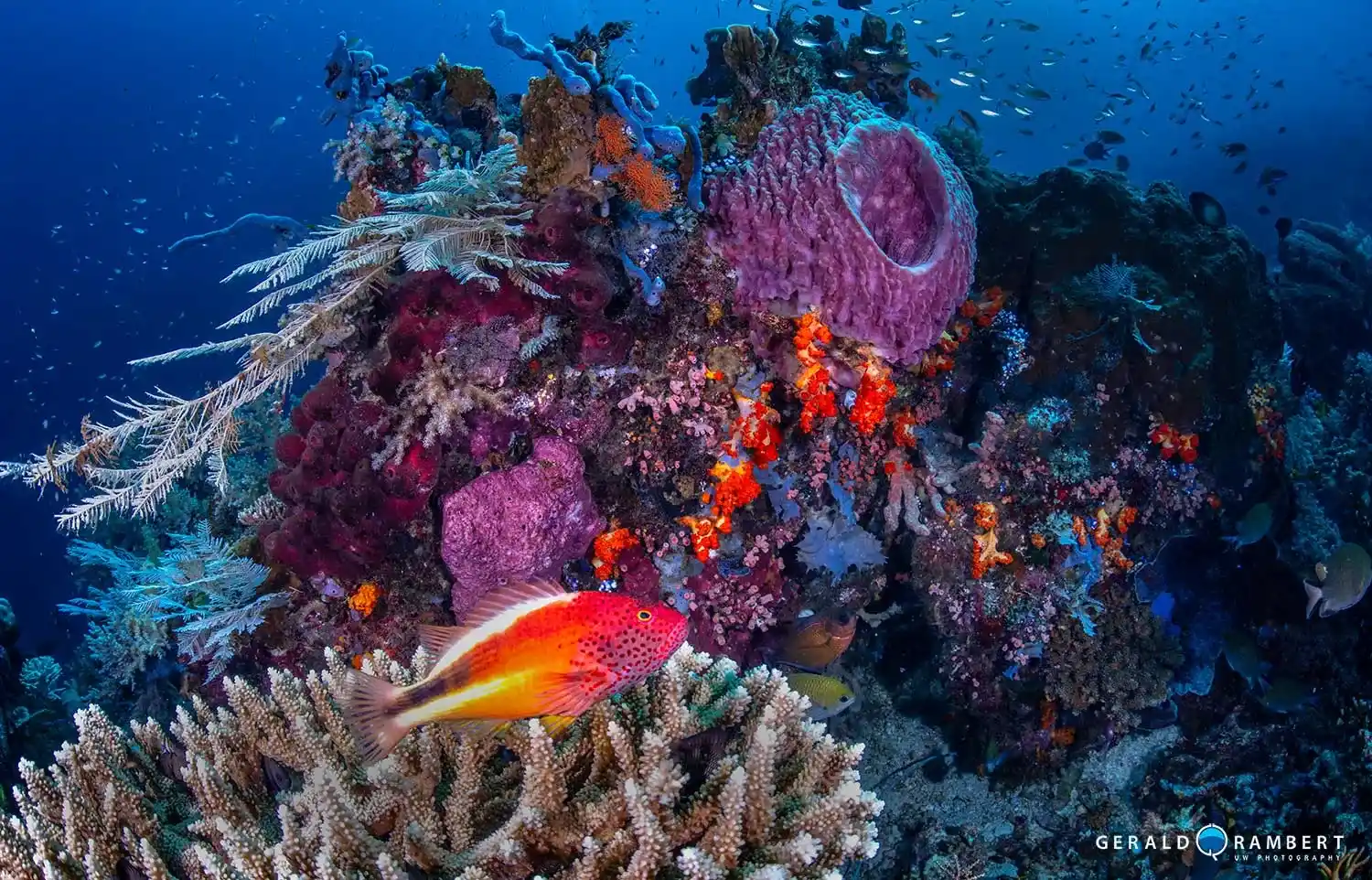
A world-renowned site in North Komodo known for its stunning underwater topography and extraordinary biodiversity. Subject to powerful currents that fuel an exceptional density of marine life — schooling fish, reef sharks, and rich coral structures on a dramatic point.
Manta Alley
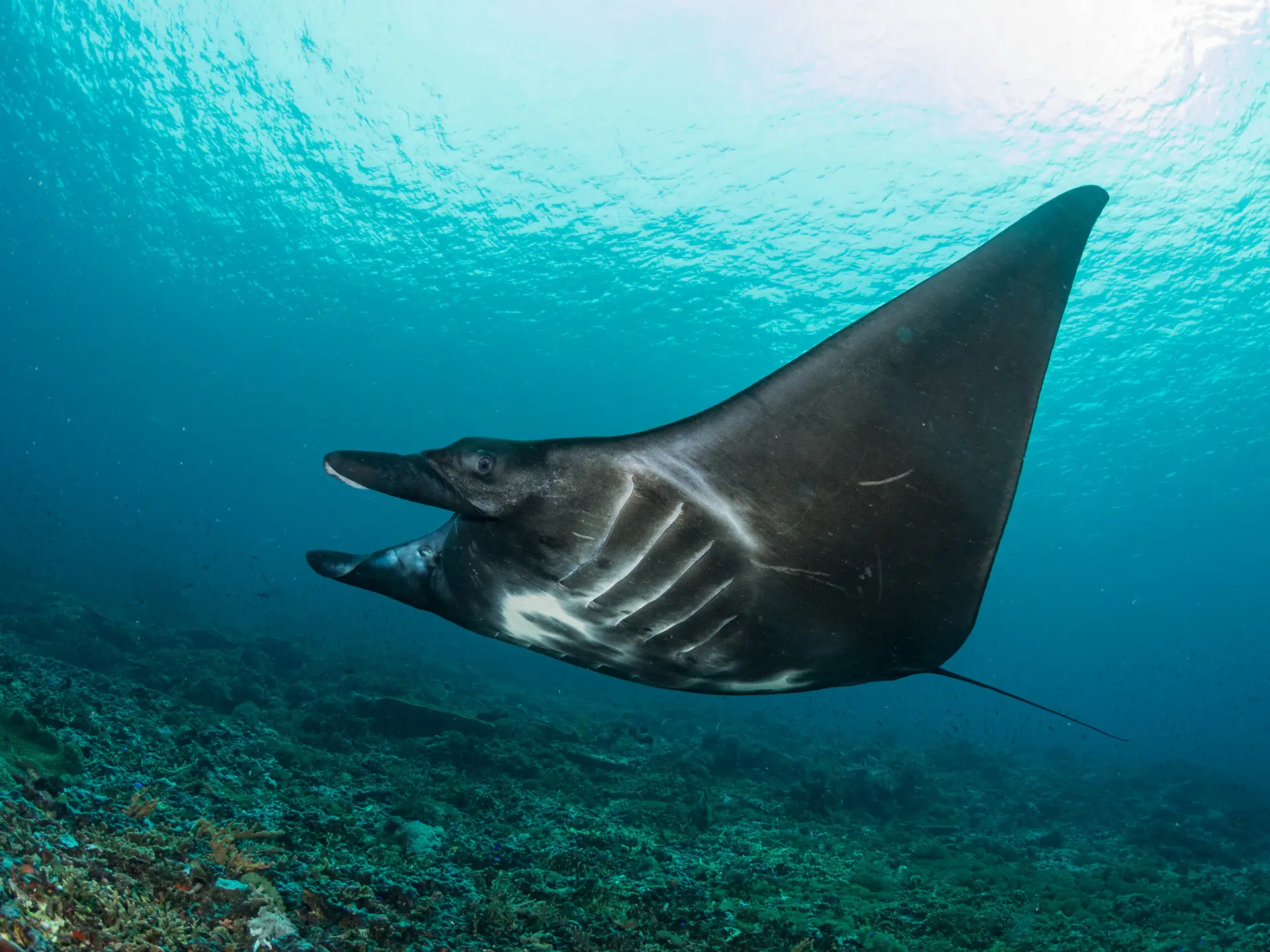
The best place to see oceanic manta rays year-round in Komodo — the larger, rarer cousin of the reef manta with wingspan up to 6m. A channel between two southern islands where these giants feed and cruise. Strong currents, dramatic scenery, and encounters unlike anything in Central Komodo.
Yellow Wall of Texas
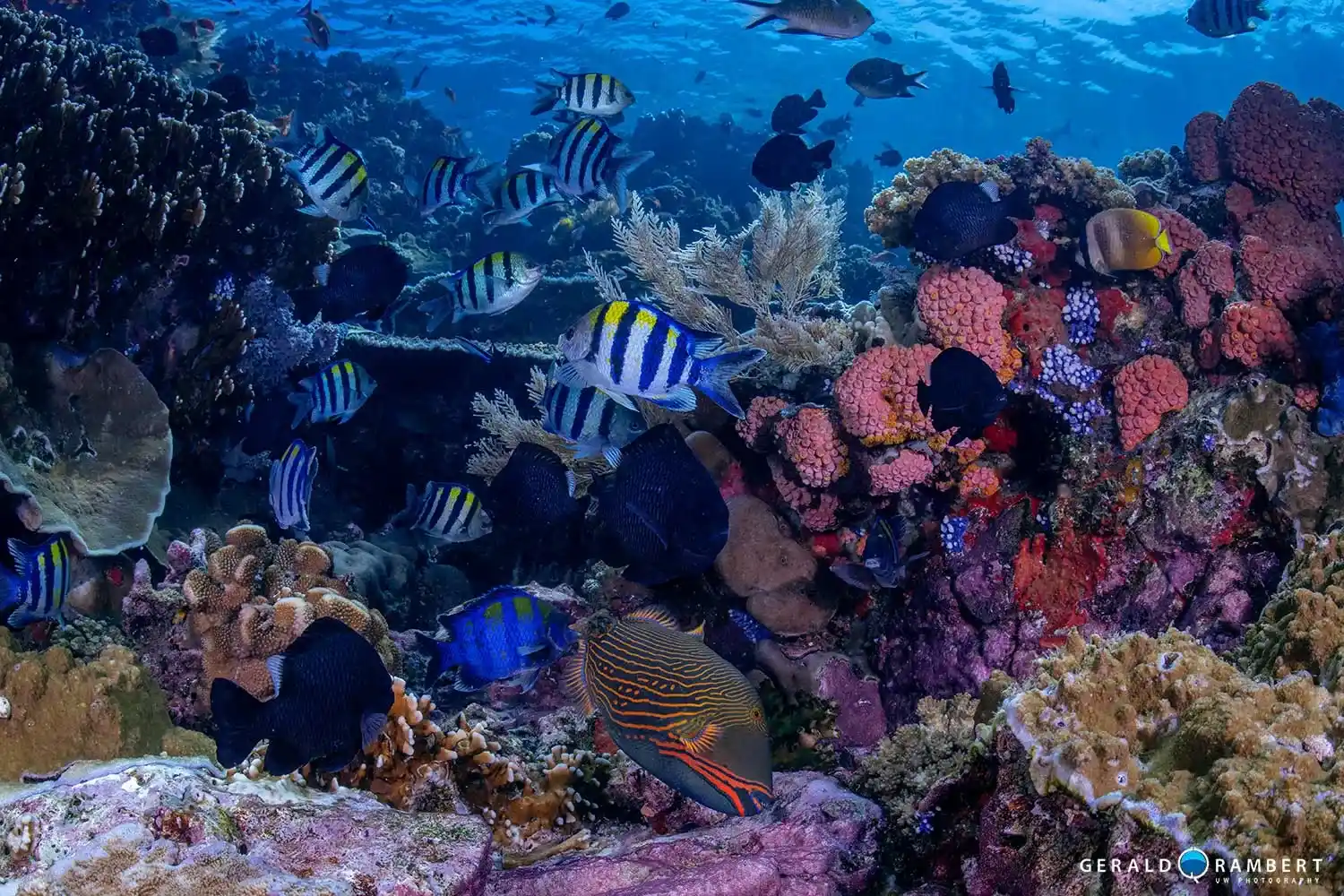
A striking vertical wall carpeted in brilliant yellow soft corals — one of the most visually arresting dive sites in all of Indonesia. Strong current, rich macro life including lobsters, decorator crabs and nudibranchs, and photographic opportunities at every depth.

Tatawa Besar
Located in the eastern part of the park, Tatawa Besar is known for its colourful coral gardens and abundant marine life. Reef sharks, barracudas, and occasional grey reef sharks patrol a spectacular reef structure that suits both beginners and experienced divers.
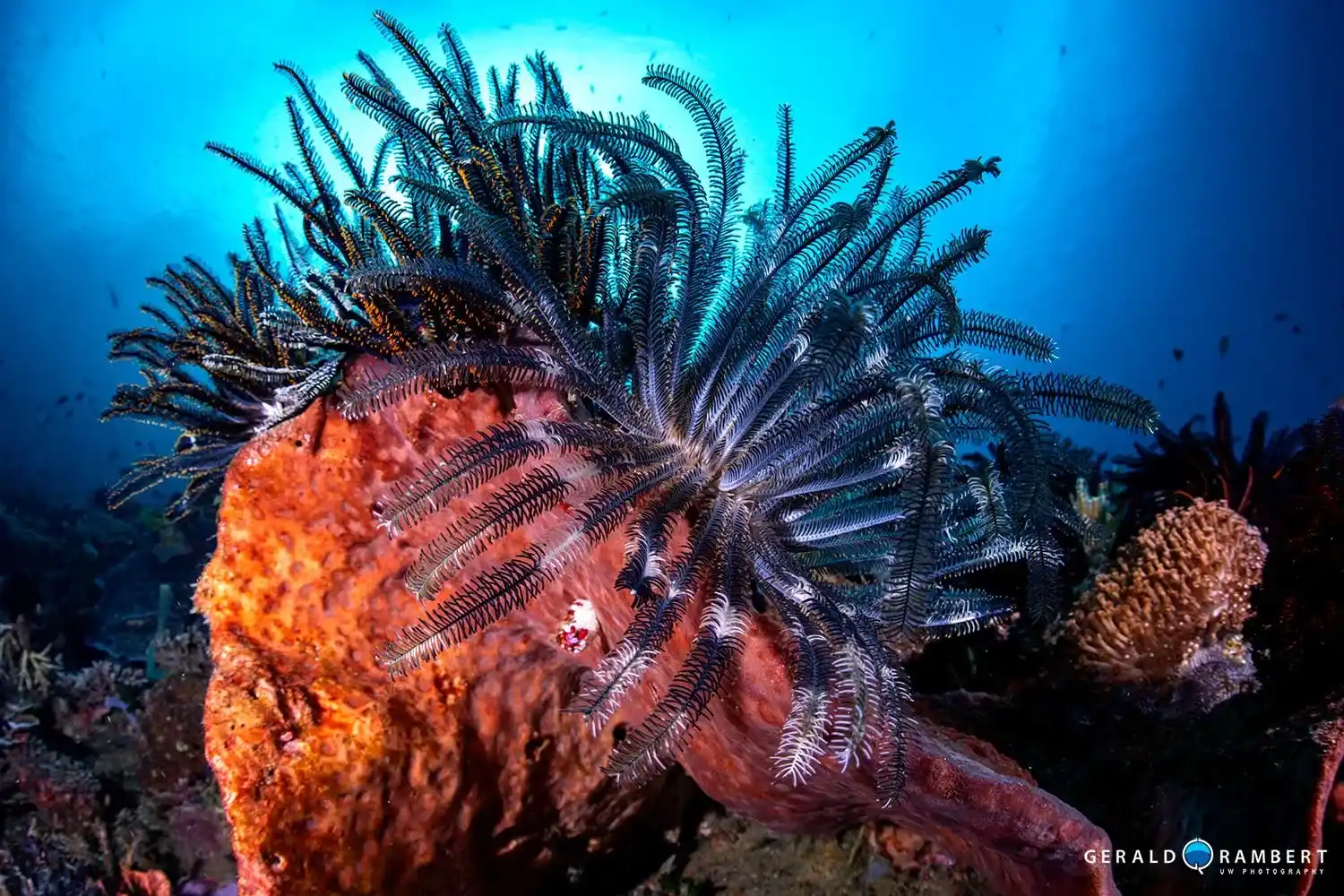
Tatawa Kecil
South of Tatawa Besar, an advanced site with strong and occasional down currents. Best dived at slack to rising tide. Features swim-throughs, valleys, and giant boulders. Large groupers, snappers, sweetlips, jacks, and sharks — challenging to time but always rewarding.
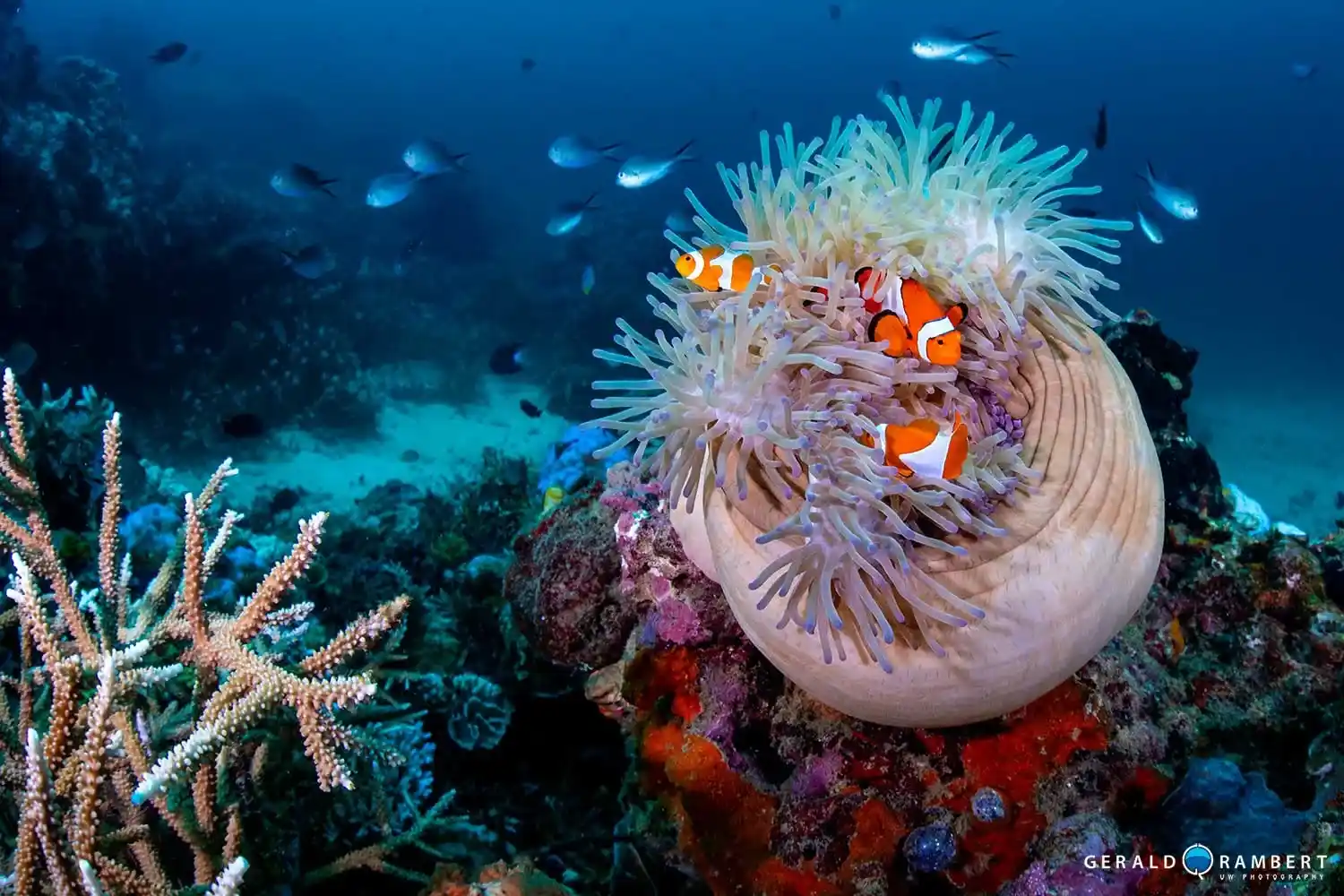
Siaba Besar
A hidden gem, perfect for courses due to its sandy bottom and calm waters, yet rich in marine life. Turtles are a constant presence, alongside cuttlefish, sweetlips, white-tip sharks, and blue-spotted stingrays. Rare encounters with dugongs, silver-tip sharks, and ornate ghost pipefish.
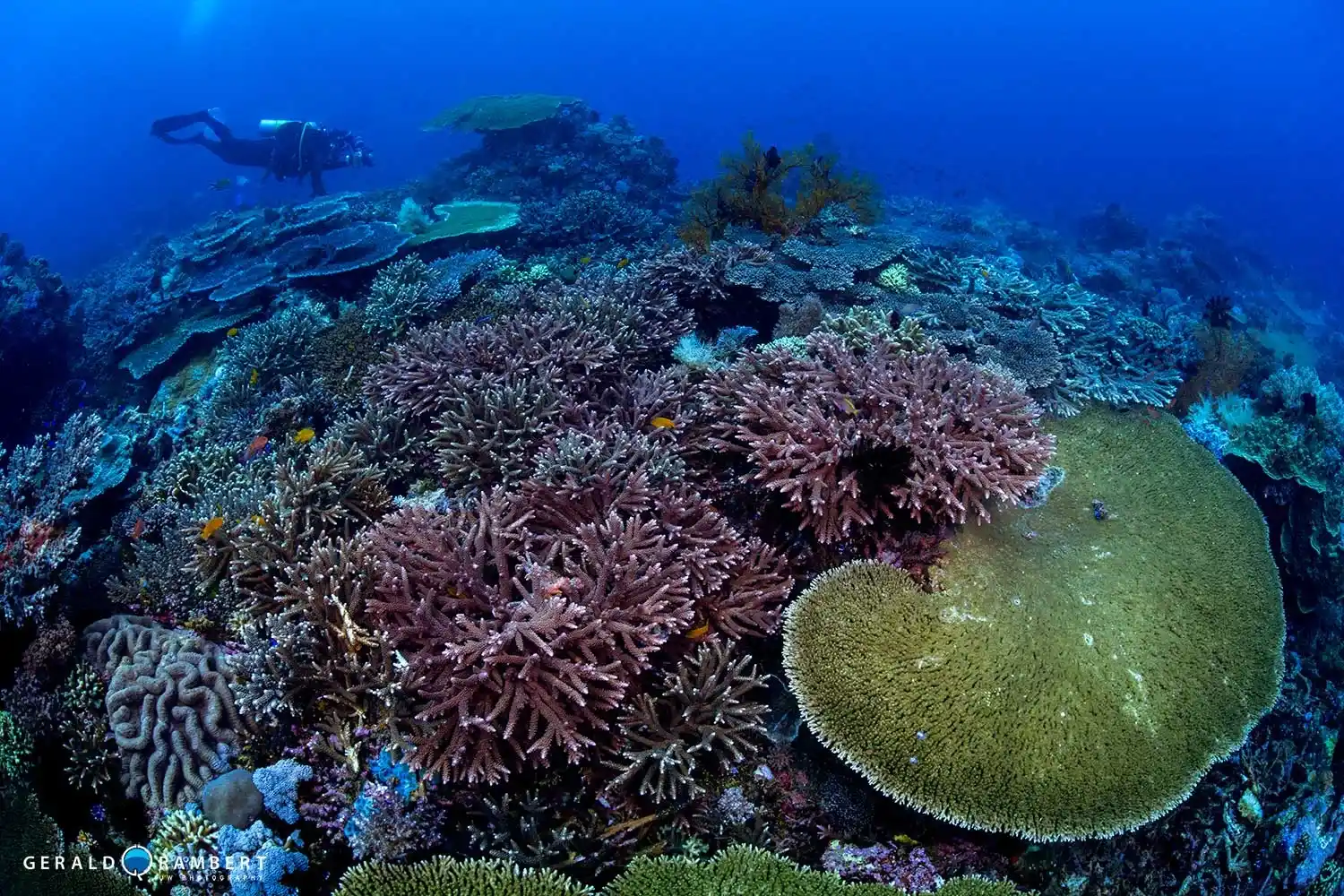
Pengah Kecil
A dynamic site with variable visibility but incredible potential. On a good day, among Komodo's best. Divers enter at the split encountering giant trevally and sharks. The plateau is covered in vibrant hard and soft corals. A large table coral shelters six baby sharks simultaneously.
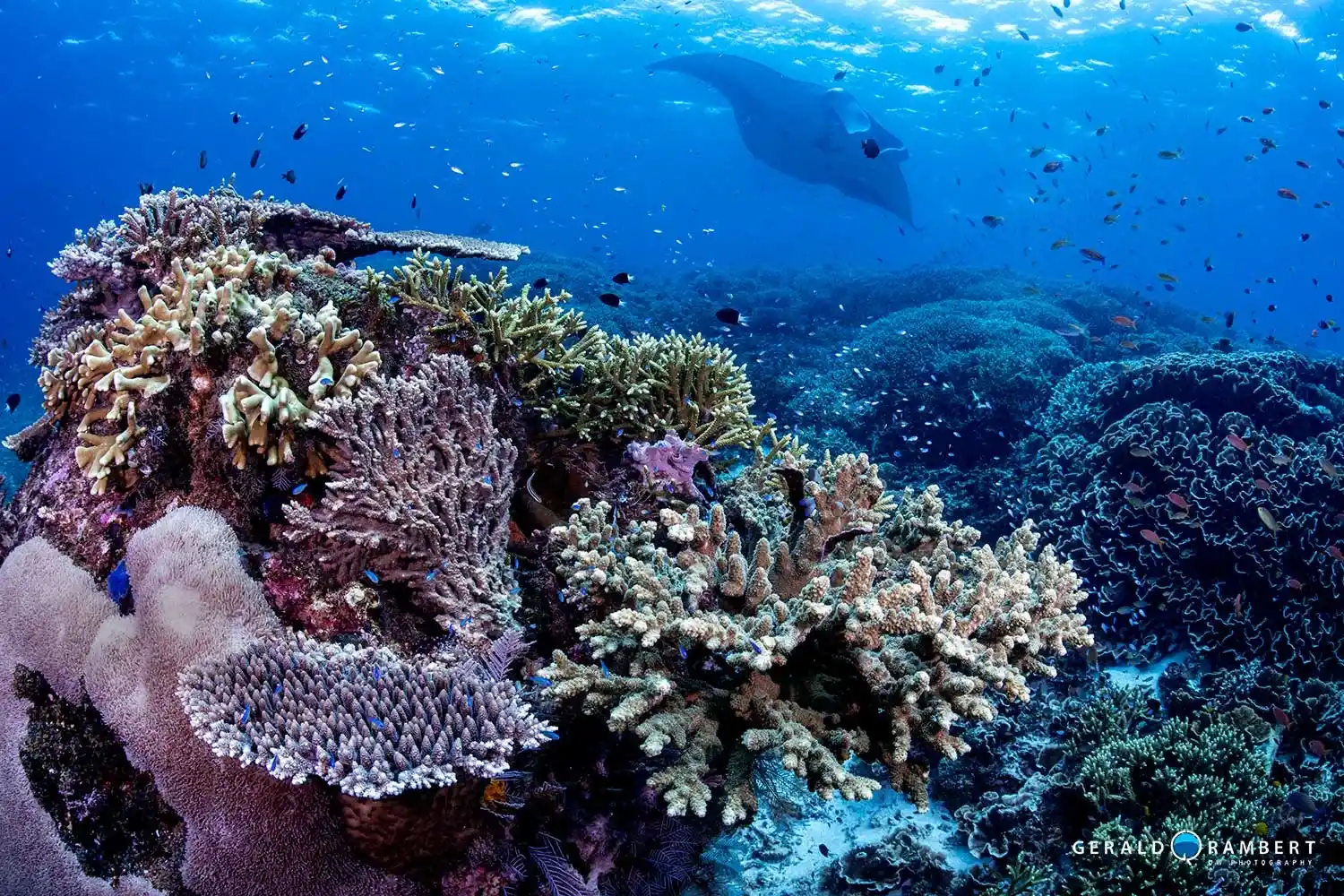
Mawan
Komodo's lesser-known manta spot, offering fewer sightings than Manta Point but longer, closer interactions. Divers zigzag over a sandy slope, spotting shrimp and crabs before reaching a pastel soft coral garden. Turtles, leaf scorpionfish, mantis shrimp, and varied reef fish throughout.
Banta Wall
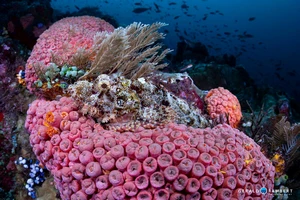
A stunning vertical wall draped with giant gorgonian sea fans and frequent manta sightings. One of the north's signature wall dives, combining dramatic topography with strong current-driven marine life. Sea fans, black coral, and regular pelagic passes make every descent rewarding.
End of the World
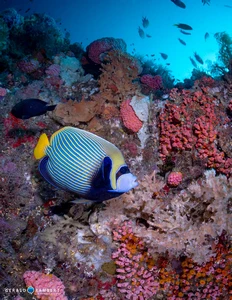
A steep wall dive at the southern edge of the park with frequent sightings of surgeonfish in massive schools, reef sharks, and giant groupers. The name captures the feeling — remote, raw, and pushing into open ocean. One of South Komodo's defining wall dives.

Loh Sera
Features pinnacles and cleaning stations attracting dogtooth tuna and manta rays. A site where big fish encounters happen at cleaning stations — mantas hovering motionless while wrasse remove parasites. Unpredictable, memorable, and consistently surprising.
Wainilu
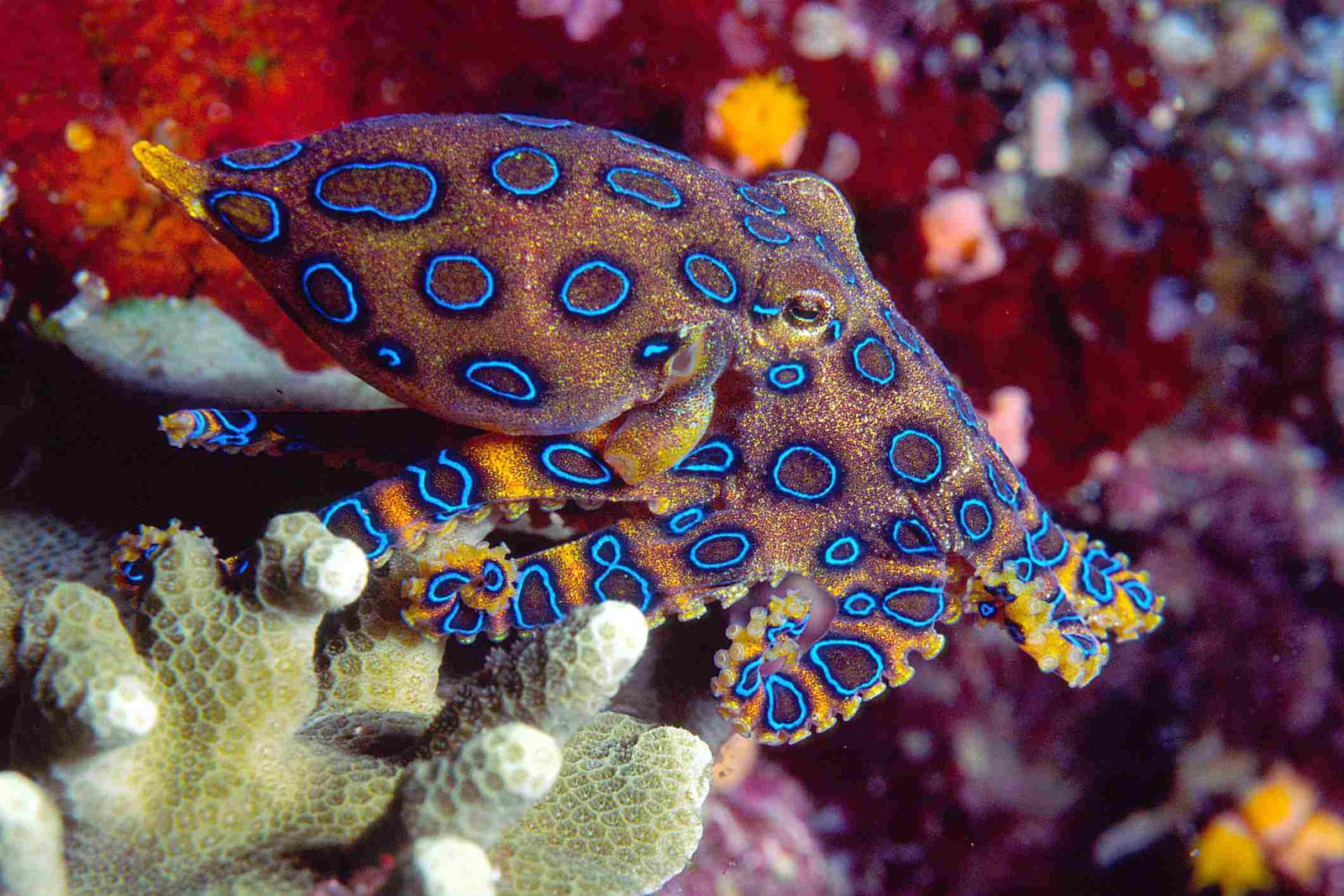
Komodo's own mini Lembeh. At first glance, shallow coral rubble seems empty — a closer look reveals ribbon eels, Indian walkman, mandarin fish, frogfish, juvenile harlequin sweetlips, and countless nudibranchs. Good buoyancy essential. Treat it like a treasure hunt.

Pillarsteen
East of Padar, a pinnacle rock with walls, caves, and swim-throughs at various depths. Open water divers can enjoy it; advanced divers will love exploring deeper at 30–40m. Fusilier schools, diverse soft and feather corals, occasional sharks and turtles. Remains diveable even in strong currents.

Three Sisters
North of Pillarsteen, three pinnacles just 10m apart rising from 20m to 3–5m below the surface. A pristine site rich in coral and marine life. For the adventurous, a hidden fourth pinnacle to the west drops from 20m to 40m, showcasing stunning sea fans and abundant life.
Ready to Dive
These Sites?
Every site on this page is dived weekly by Manta Dive Komodo. Day trips, multi-day packages, private charters — all with park fees included.